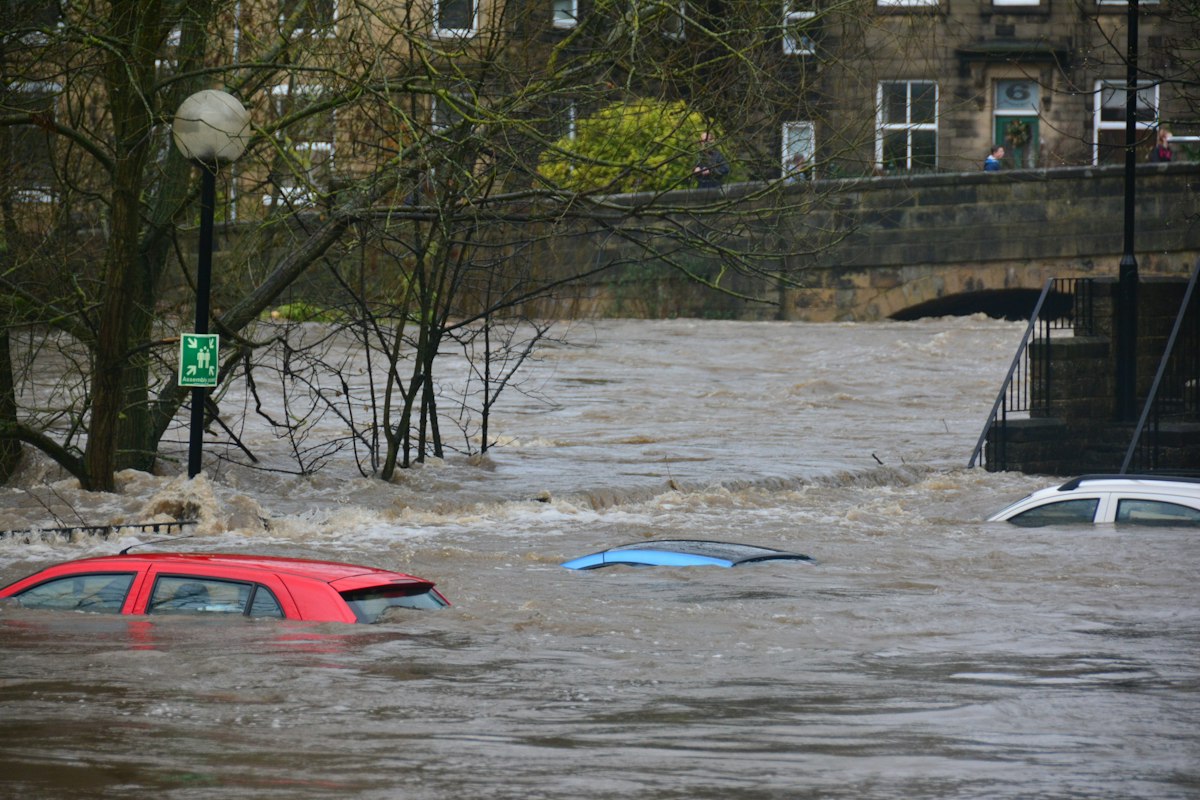
A flood risk assessment (FRA) for a UK planning application typically costs between about £300 and £900 for a householder extension or single dwelling, rising to £1,000–£2,500 for multi-unit schemes — and into five figures where detailed hydraulic modelling is needed. Fortress Associates also offers an automated site-specific FRA for England, generated in minutes and free of charge.
This guide breaks down what you should expect to pay in 2026, what drives the fee up or down, and how to avoid paying for more assessment than your site actually needs.
Flood risk assessment cost: typical 2026 price ranges
Published prices across the UK market cluster into broad bands:
| Project type | Typical fee (2026) |
|---|---|
| Householder extension, low-complexity site | £300–£600 |
| Single new dwelling / small change of use | £400–£900 |
| Minor scheme (2–9 dwellings) with drainage strategy | £750–£2,500 |
| Major scheme (10+ dwellings) or Flood Zone 3 with modelling | £2,500–£12,000+ |
Extras can add substantially to the headline fee: infiltration (soakage) testing for a SuDS design commonly costs £1,000–£3,000, and site-specific hydraulic modelling of a watercourse can run to £10,000 or more. Prices vary between consultancies, so always confirm what the quoted fee includes.
What drives the cost of an FRA
- Your flood zone. A Flood Zone 1 site needing an FRA only because it exceeds one hectare is a straightforward, largely desk-based job. A Flood Zone 3 site needs the Sequential and Exception Tests addressed, climate-change allowances applied and mitigation specified — more work, higher fee. Check your zone first with our free flood zone checker.
- Sources of risk beyond rivers. Surface water is now the largest source of flood risk in England, and the Environment Agency added new surface-water climate-change and depth-band layers to the Flood Map for Planning in May 2026. Sites affected need those datasets interpreted, not just screened.
- Development type and vulnerability. A bedroom is "more vulnerable" than a garage. Basements, care uses and new dwellings attract stricter tests than extensions.
- Drainage requirements. Many local planning authorities require a SuDS drainage strategy to CIRIA C753 alongside the FRA, including greenfield runoff rates and attenuation sizing.
- Data and modelling. Environment Agency flood data (the former "product 4") is free, but bespoke modelling, topographic survey and soakage testing are charged on top.
Do you actually need to pay for one?
You need an FRA for any development in Flood Zones 2 or 3, for sites of one hectare or more in Flood Zone 1, and for smaller Zone 1 sites with critical drainage problems or identified surface-water risk. If you are unsure, our two-minute FRA checker will tell you before you spend anything.
For householder extensions, small new dwellings and similar minor applications in England, an automated site-specific FRA can satisfy validation requirements at no cost at all — see below. Paying a consultant makes sense where your site is complex: functional floodplain, breach modelling, contested Sequential Test arguments or a bespoke attenuation design.
What you should get for the money
Whatever you pay, a planning-ready FRA should contain the same core elements, and it is worth checking a cheap quote actually includes them:
- Identification of all sources of flood risk — river, sea, surface water, groundwater, sewers and artificial sources — not just the flood zone;
- The development's flood vulnerability classification and, where relevant, the Sequential and Exception Tests addressed;
- Climate-change allowances applied to peak river flow or rainfall for the development's lifetime;
- Proposed finished floor levels, and flood resistance and resilience measures consistent with Environment Agency standing advice;
- A surface-water drainage strategy showing how runoff will be managed to greenfield (or agreed) rates using SuDS;
- Safe access and egress, or a justification where dry access is not achievable.
A one-page letter that simply states the flood zone will not pass validation in Zones 2 or 3, however little it cost.
How to keep the cost down
- Screen your site early on the government's long-term flood risk service and the Flood Map for Planning, so you brief the right level of assessment.
- Locate vulnerable uses and lowest floor levels sensibly at design stage — mitigation designed in is cheaper than mitigation argued in.
- Combine the FRA and drainage strategy in one commission rather than two.
- Follow the Environment Agency's standing advice on floor levels and flood resilience for minor development, which avoids bespoke negotiation.
How Fortress Associates can help
Fortress Associates provides an automated, site-specific flood risk assessment service for planning applications across England. The report is free, is generated in minutes using live Environment Agency data, follows the Environment Agency's FRA template (March 2025) and includes a SuDS drainage strategy aligned with CIRIA C753. For complex sites, contact us to talk through what your application needs, or browse our full range of planning reports.
Sources & further reading
Need help with a UK planning project?
Fixed-fee daylight & sunlight reports and Building Regulations drawings — delivered in 4–5 working days, no advance payment — plus flood risk assessments, air quality assessments, energy statements and sustainability statements for planning applications across the UK.
Request a free quote