The Future Homes Standard is here - but not quite yet. The Ministry of Housing, Communities and Local Government published it on 24 March 2026, with the new Approved Documents coming into force on 24 March 2027. That one-year gap, and the transitional arrangements that sit inside it, decide whether your energy statement is written to Part L 2021 or to the tougher Future Homes rules. Getting the timing right can be the difference between a gas-ready design and a mandatory heat-pump-and-solar specification.
This guide explains the dates, the transitional provisions and what they mean for schemes in the pipeline.
What the Future Homes Standard requires
The Future Homes Standard is the 2026 update to Part L (conservation of fuel and power) for new homes in England. Its headline is a roughly 75% to 80% reduction in carbon emissions compared with homes built to the 2013 standard. In practice that effectively rules out fossil-fuel heating and points every new home towards:
- A heat pump as the primary heating system;
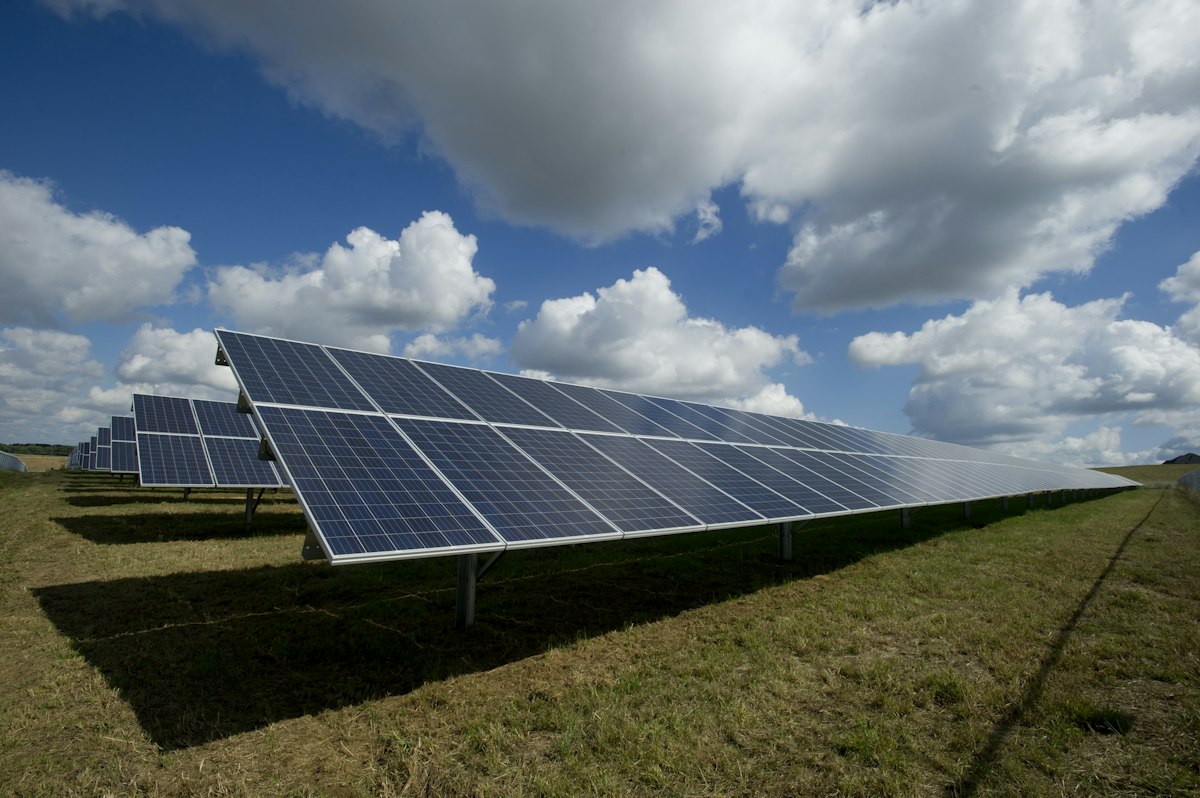
- Rooftop solar PV - typically sized to around 40% of the home's ground-floor area;
- Improved fabric, with better U-values and airtightness following a fabric-first approach.
For a fuller picture of the standard itself, see our overview of the Future Homes Standard and your energy statement.
The key dates
Three dates matter:
- 24 March 2026 - the Future Homes Standard and its Approved Documents were published.
- 24 March 2027 - the new requirements come into force for new dwellings and other non-high-risk buildings.
- 24 September 2027 - the rules take effect for high-risk buildings, which are treated separately.
Until 24 March 2027, Part L 2021 remains the live standard, and energy statements continue to use the SAP 10.2 methodology. From the transition date, the new standard and the SAP 10.3 assessment model apply.
How the transitional arrangements work
Transitional provisions exist so that projects already under way are not forced to redesign overnight. Building regulations transitional arrangements generally turn on two conditions being met before the new rules take effect:
- An initial notice, building notice or full plans application is submitted to building control before 24 March 2027; and
- Work on that individual building genuinely begins within a set period after that date - commonly twelve months.
Crucially, the arrangement usually applies on a building-by-building basis, not site-wide. On a larger development, each plot generally has to have started within the window to keep the older standard; plots that have not commenced in time fall under the Future Homes Standard. This is a change from how some earlier transitions were read, and it materially affects phasing on multi-plot sites.
Why this matters for your energy statement
An energy statement is a planning document, and planning usually runs ahead of building control. A scheme could secure planning permission now against a Part L 2021 energy strategy, yet still be built under the Future Homes Standard if construction slips past the transitional window. Designing a gas-heated scheme that later has to be re-engineered for a heat pump and solar array is expensive and delays delivery.
The pragmatic response in 2026 is to future-proof. Even where Part L 2021 technically still applies, following the heat-pump route and a fabric-first specification means the design already satisfies what is coming. It also sits comfortably with London's more demanding targets - London Plan Policy SI2 already expects a 35% on-site carbon reduction and carbon-offset contributions for major schemes.
Practical checklist for schemes in the pipeline
- Confirm your realistic start-on-site date against 24 March 2027.
- If commencement is likely to slip, design to the Future Homes Standard now.
- On multi-plot sites, track transitional status plot by plot.
- Assume SAP 10.3 for anything not certain to start before the deadline.
- Keep clear records of building-control submission dates and commencement.
How Fortress Associates can help
Fortress Associates produces automated energy statements for planning applications across every UK local authority. The report is free and ready in minutes, built on the Part L 2021 / SAP 10.2 baseline and the full energy hierarchy - Be Lean, Be Clean, Be Green - with carbon savings calculated at each stage, and it can be shaped to anticipate the Future Homes Standard where your programme demands it. Explore our services or contact us to discuss timing.
Sources and further reading
Need help with a UK planning project?
Fixed-fee daylight & sunlight reports and Building Regulations drawings - delivered in 4–5 working days, no advance payment - plus flood risk assessments, air quality assessments, energy statements and sustainability statements for planning applications across the UK.
Request a free quote