The most common question on energy statements right now is simple: does my scheme follow Part L 2021 or the Future Homes Standard? The answer is decided almost entirely by dates. The Future Homes Standard (FHS) was published on 24 March 2026 and comes into force on 24 March 2027, with a transitional period that runs a further twelve months. Get the date wrong and you design to the wrong baseline.
This guide sets out the headline difference between the two standards, the transitional rules that decide which applies to your project, and what it all means for a planning energy statement submitted in 2026.
Part L 2021 vs the Future Homes Standard: the headline difference
Part L 2021 is the current energy efficiency standard for new buildings in England. It cut CO2 emissions from new homes by around 30% compared with the previous edition and was always described as a stepping stone to the Future Homes Standard.
The Future Homes Standard is that final step. Published by MHCLG in March 2026, it requires new homes to produce at least 75% lower carbon emissions than those built to the 2013 standard. In practice that means:
- No fossil-fuel heating in new homes - effectively mandating heat pumps in place of gas boilers. Our post on heat pumps versus gas boilers explains the carbon maths.
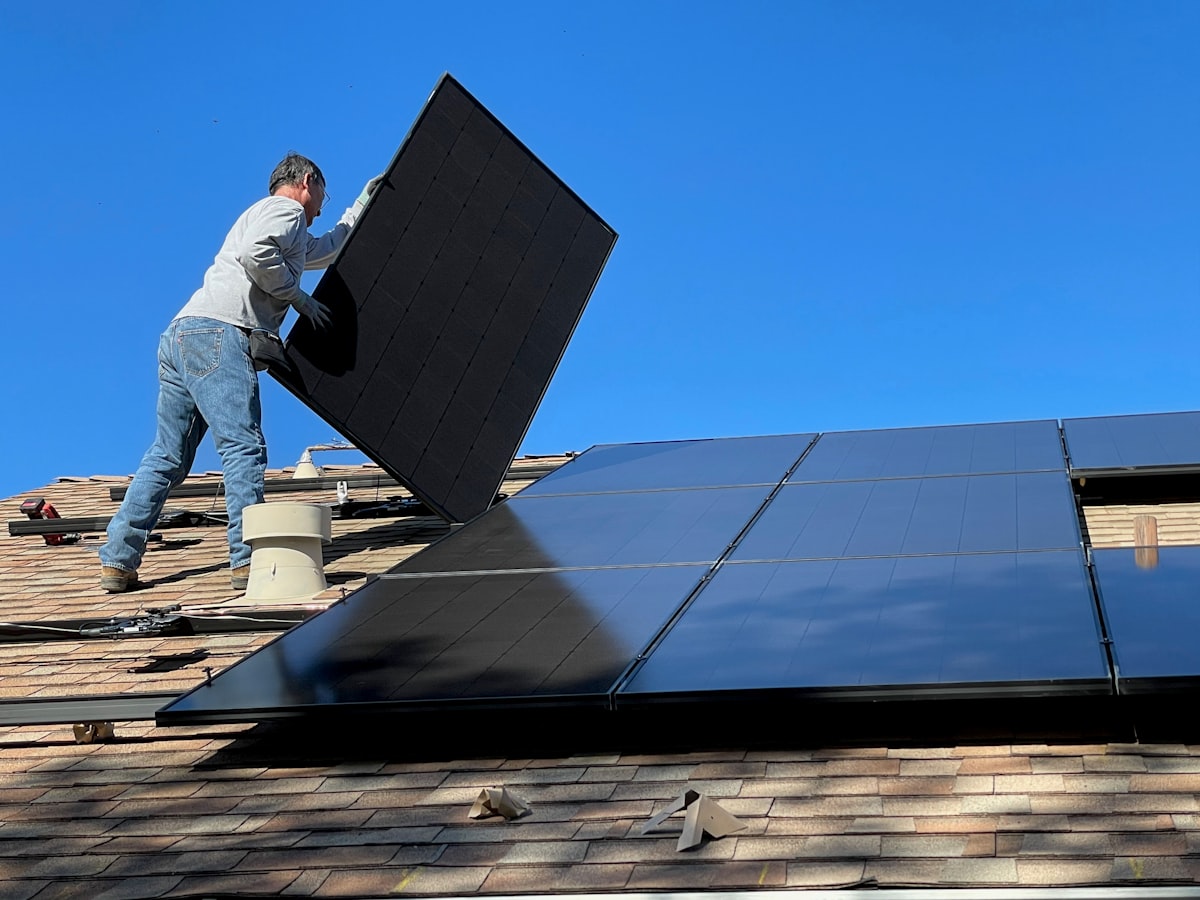
- Rooftop solar as standard, with most new homes needing panels sized to around 40% of the ground-floor area.
- Better building fabric - improved insulation and airtightness on a fabric-first basis.
Compliance is demonstrated using the Home Energy Model (HEM) or SAP 10.3 during the transitional period, replacing the SAP 10.2 method used under Part L 2021.
The transitional dates that decide which applies
The regulations come into force on 24 March 2027, with a twelve-month transitional period to 24 March 2028. The date that matters is when your building regulations application is submitted:
- If your building notice or full plans application is submitted before 24 March 2027, the dwelling can be built to Part L 2021 - provided work starts on that individual home before 24 March 2028.
- If your application is submitted on or after 24 March 2027, the Future Homes Standard applies immediately, with no fallback to Part L 2021.
The practical warning is this: a scheme approved at planning today may still be built to Part L 2021 if it moves quickly, but anything that slips past the transitional window will have to meet the full FHS - which changes the heating strategy, the solar provision and often the whole cost plan.
What this means for your planning energy statement now
It is important to separate two documents. A planning energy statement demonstrates how your scheme meets local and regional planning policy on carbon - for example the London Plan Policy SI2 target of a 35% on-site carbon reduction and a carbon offset contribution for the shortfall. Part L and the Future Homes Standard are building regulations standards that set the baseline your statement measures against.
Because the Future Homes Standard raises that baseline sharply, a scheme that scrapes over a policy target today may sail past it once FHS applies - but only if the design already assumes a heat pump and solar. For planning applications being drafted now, the sensible approach is to design to the direction of travel: electric heating, a fabric-first envelope and rooftop PV. That keeps the scheme robust whichever standard ends up applying at building-control stage, and strengthens the energy statement against the tightening London Plan and emerging local net-zero policies.
What about extensions and change of use?
The Future Homes Standard is aimed squarely at new dwellings, so householder extensions and conversions are treated differently. Extension work is governed by the Part L rules on existing buildings, which set standards for the new elements - walls, roofs, windows - rather than requiring the whole home to reach new-build performance. Many councils still ask for a proportionate energy statement or sustainability information at planning stage, particularly in London and on larger schemes, and change-of-use projects that create new homes can be caught by both planning policy targets and the tightening building regulations baseline. The safe assumption for any project adding habitable floorspace is to check the local plan’s energy policy early and design the fabric and heating with electrification in mind, so the scheme is not left stranded by the 2027 transition.
How Fortress Associates can help
Fortress Associates produces automated energy statements for planning applications across every UK local authority. Each statement establishes the Part L 2021 baseline using the SAP 10.2 notional-building method, then works through the full energy hierarchy - Be Lean, Be Clean, Be Green - with CO2 savings calculated at each stage, and applies the London Plan SI2 35% target and carbon offset for London schemes. The report is free and ready in minutes, and reflects the direction set by the Future Homes Standard. Start on our energy statement page, see our other services, or get in touch via contact.
Sources & further reading
Need help with a UK planning project?
Fixed-fee daylight & sunlight reports and Building Regulations drawings - delivered in 4–5 working days, no advance payment - plus flood risk assessments, air quality assessments, energy statements and sustainability statements for planning applications across the UK.
Request a free quote