The way dwelling energy performance is calculated in England is changing, and it will reshape the planning energy statement. With the Future Homes Standard published on 24 March 2026, the long-standing Standard Assessment Procedure (SAP) is being replaced - first by a transitional SAP 10.3, and then by an entirely new methodology, the Home Energy Model (HEM). If you are preparing schemes that will be built under the new rules, it pays to understand what is coming.
This article explains the shift from SAP to HEM, how it interacts with the Future Homes Standard, and what it means for the energy statement you submit with a planning application.
From SAP to the Home Energy Model
SAP has underpinned dwelling energy calculations and Part L compliance for decades, most recently as SAP 10.2. The Future Homes Standard begins the transition with SAP 10.3, but the government's stated intention is to replace SAP entirely with the Home Energy Model - a modern, more granular engine designed to reflect how low-carbon homes with heat pumps, solar and battery storage actually perform across the year.
The headline outcomes of the Future Homes Standard are demanding. New homes are expected to produce at least 75% less carbon than those built to the 2013 standards, effectively requiring heat pumps, solar photovoltaics and much better building fabric. The final Approved Documents were published in March 2026, with the regulations coming into force on 24 March 2027 and a transitional period running to 24 March 2028.
What is changing for new homes
Two requirements in particular will drive the numbers in future energy statements:
- No fossil-fuel heating. From 2027 new homes are designed not to use fossil-fuel heating. Air source heat pumps become the default technology for most homes, with ground source and shared ground-loop systems also acceptable, particularly on larger developments.
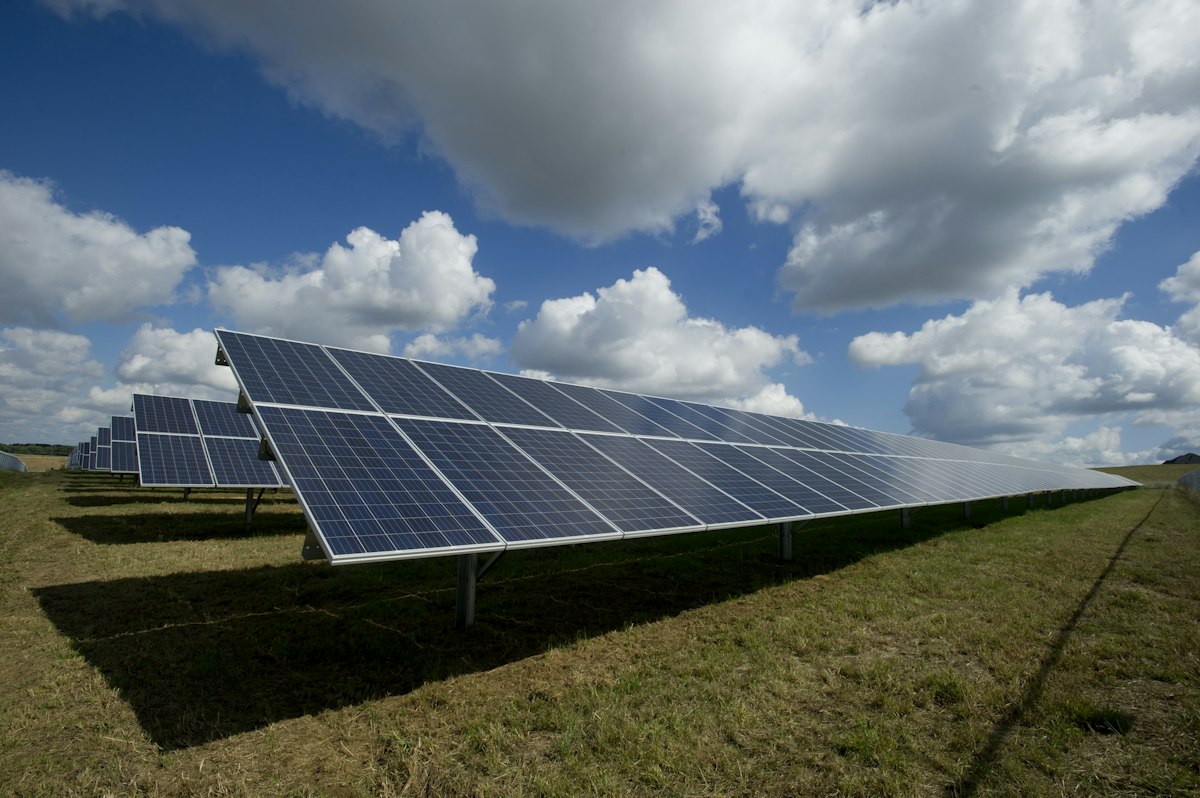
- Rooftop solar as standard. New English homes are expected to include a solar array broadly sized to around 40% of the ground-floor area. Our guide to sizing solar PV explains how this feeds the calculation.
Because carbon from heating falls sharply once gas is removed, the emphasis shifts to fabric performance, electrical demand and on-site generation - exactly the areas the Home Energy Model is built to represent more accurately.
What this means for planning energy statements
A planning energy statement is not the same document as a Part L compliance calculation, but it draws on the same methodology and the same design decisions. As the baseline moves to SAP 10.3 and then HEM, expect three practical shifts:
The baseline gets tougher
The notional building against which your scheme is judged becomes more efficient. Strategies that scraped through under earlier standards - a modest fabric spec with a gas boiler - will no longer stack up. The energy hierarchy of Be Lean, Be Clean, Be Green still applies, but the Be Green stage increasingly means electrification plus solar rather than a token renewable.
London's targets sit on top
For London schemes, London Plan Policy SI2 still asks for a 35% on-site carbon reduction beyond the Building Regulations baseline, with a carbon offset payment for any residual shortfall. As the national baseline tightens, the gap to close for the 35% target narrows in some respects but the expectation for genuine on-site measures hardens.
Data and modelling get more detailed
HEM is more granular than SAP, so the inputs - fabric details, ventilation, heat pump performance, solar orientation and shading - carry more weight. Loose assumptions at planning stage are more likely to unravel at Building Regulations stage. Aligning the two early avoids nasty surprises.
How to prepare now
- Design fabric-first: strong U-values and airtightness reduce demand before you add technology.
- Assume electric heating. If a scheme still relies on gas, revisit it before the 2027 date bites.
- Plan roof space and orientation for solar from the outset, not as an afterthought.
- Coordinate the energy statement with overheating (Part O) and ventilation so the strategies do not conflict.
Common questions about SAP, HEM and energy statements
Is an energy statement the same as a SAP calculation?
No. A SAP (or, in future, HEM) calculation demonstrates Building Regulations compliance. A planning energy statement is a broader document that explains the scheme's energy and carbon strategy against planning policy, though it relies on the same underlying methodology.
When does the Home Energy Model take over from SAP?
The transition begins with SAP 10.3 alongside the Future Homes Standard, with the government intending HEM to replace SAP entirely in due course. Schemes designed now should anticipate the tighter baseline rather than the old SAP 10.2 assumptions.
Will existing gas-heated designs still be acceptable?
Designs relying on fossil-fuel heating should be revisited well before the March 2027 in-force date. New homes are being designed around heat pumps and solar, and an energy statement built on a gas boiler will increasingly sit at odds with both national and London policy.
How Fortress Associates can help
Fortress Associates prepares automated energy statements for UK planning applications, covering every local authority. The report is free and ready in minutes. It sets a Part L 2021 baseline using the SAP notional-building method and then works through the full energy hierarchy - Be Lean, Be Clean, Be Green - with CO2 savings calculated at each stage, and site-specific solar and energy data fetched at the point of creation. For London schemes it addresses the London Plan Policy SI2 35% target and carbon offset contributions. Explore our services or contact us to discuss a scheme.
Sources and further reading
Need help with a UK planning project?
Fixed-fee daylight & sunlight reports and Building Regulations drawings - delivered in 4–5 working days, no advance payment - plus flood risk assessments, air quality assessments, energy statements and sustainability statements for planning applications across the UK.
Request a free quote