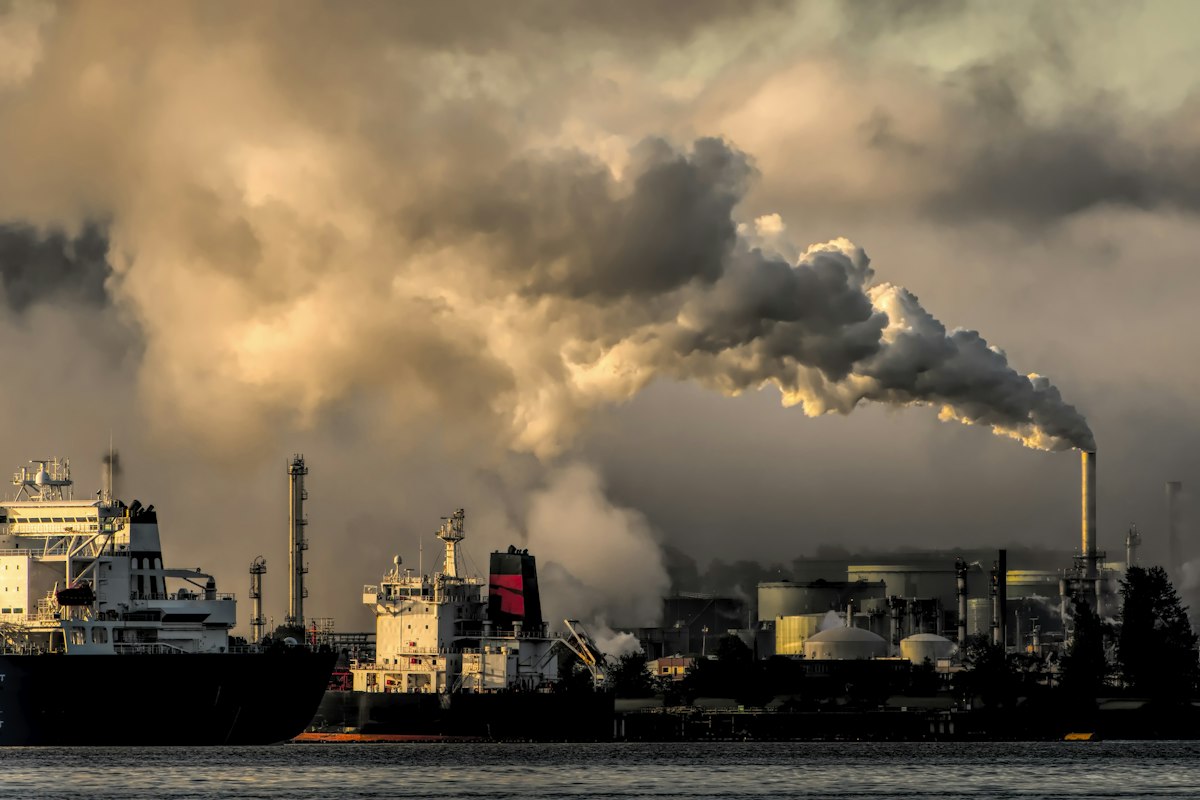
If you are building a new home or converting a property that includes a wood burner or open fire, a smoke control area can change what you are allowed to install and burn - and increasingly it shapes the air quality assessment that supports your planning application. In 2026 this is a live policy area, with the government consulting on tighter controls over domestic solid-fuel burning and a renewed focus on fine particulate matter.
This guide explains what smoke control areas are, how they affect new development, and what the 2026 changes mean for applicants.
What is a smoke control area?
Smoke control areas were introduced under the Clean Air Act and are designated by local authorities. Within one, it is an offence to emit smoke from a chimney unless you are burning an authorised fuel or using an exempt appliance approved for that fuel. Large parts of England's towns and cities - including most of London - are covered.
In practical terms, a new dwelling in a smoke control area that includes a solid-fuel stove must specify a Defra-exempt appliance and authorised fuel, or the design risks conflicting with both air-quality policy and smoke-control law. Getting this right at design stage avoids a condition or objection later.
Why solid fuel matters for air quality
Domestic combustion - wood and coal burning in homes - is now one of the largest single sources of fine particulate matter (PM2.5) in the UK. PM2.5 is the pollutant most closely linked to health harm because the particles are small enough to penetrate deep into the lungs and bloodstream. That is why PM2.5, PM10 and NO2 are central to any planning air-quality assessment, and why introducing a new combustion source is scrutinised, especially in an Air Quality Management Area.
What changed in 2026
Two developments matter for applicants this year. In December 2025 the government published a revised Environmental Improvement Plan alongside an Air Quality target delivery plan, setting out its route to the Environment Act's legally binding PM2.5 targets. Then, in January 2026, the government and devolved administrations opened a consultation on reducing emissions from solid-fuel burning - signalling tighter future controls on the fuels and appliances that can be used in and around homes.
The direction of travel is clear: new development is expected to minimise, not add to, population exposure to fine particulates. An assessment that simply ignores a proposed wood burner is unlikely to satisfy a planning officer in 2026.
How an air quality assessment handles domestic combustion
Following EPUK/IAQM planning guidance and Defra's LAQM.TG(22), an assessment for a scheme with solid-fuel heating typically considers:
- Whether the site sits in a smoke control area or an AQMA, and the local background PM2.5 and NO2 concentrations from Defra maps.
- The emissions implications of any proposed stoves or biomass, and whether exempt appliances and authorised fuels are specified.
- Exposure of new and existing residents, and whether the scheme is air quality neutral where policy - such as London Plan Policy SI 1 - requires it.
- Mitigation, from appliance selection and flue design to favouring low-emission heating such as heat pumps.
Practical advice for applicants
The simplest way to avoid an air-quality objection is to design combustion out where you can. Low-carbon electric heating removes the particulate question entirely and aligns with wider planning policy. Where a solid-fuel appliance is genuinely wanted, specify a Defra-exempt model and authorised fuel from the outset, confirm the smoke control status of the site, and document it in the assessment. You can check local air quality data before you commit to a design.
How Fortress Associates can help
Fortress Associates prepares air quality assessments for planning applications across every UK local authority, using live official datasets - Defra background maps, AQMA boundaries and monitoring data - at the moment the report is created. The report is free and ready in minutes, and follows IAQM dust guidance (v2.2, 2024), EPUK/IAQM land-use criteria, Defra LAQM.TG(22) and the NPPF. If your scheme includes a stove or sits in a smoke control area, we will tell you what the assessment needs to say. See our services or get in touch.
Sources and further reading
Need help with a UK planning project?
Fixed-fee daylight & sunlight reports and Building Regulations drawings - delivered in 4–5 working days, no advance payment - plus flood risk assessments, air quality assessments, energy statements and sustainability statements for planning applications across the UK.
Request a free quote